Compare Local Contractors for Concrete Resurfacing Projects
Compare local contractors for concrete resurfacing to define project scope, verify experience, and set clear expectations in writing for a successful renovation.
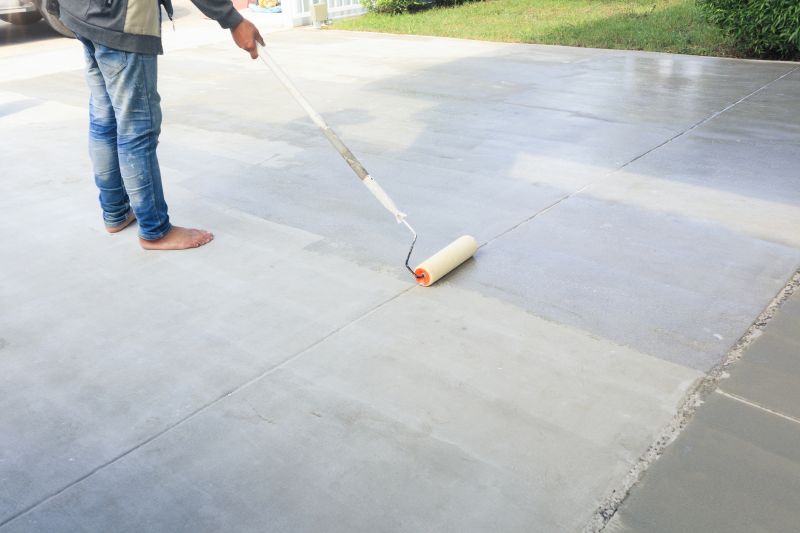
Concrete resurfacing is a process that involves applying a new layer or coating over existing concrete surfaces to improve their appearance and durability. This work typically includes cleaning the existing surface, repairing any cracks or damage, and then applying a specialized overlay or finish that can mimic various textures or colors. Whether updating a driveway, patio, or walkways, contractors focus on creating a smooth, attractive surface that extends the lifespan of the underlying concrete while enhancing the overall look of the property.
Defining the scope of a concrete resurfacing project is essential for ensuring that expectations are clear and that the work addresses all necessary aspects. A well-detailed scope outlines the specific surfaces to be treated, the type of finish or coating to be applied, and any preparatory work required, such as crack repairs or surface cleaning. Clarifying these details helps property owners avoid misunderstandings, ensures the chosen service providers understand the project requirements, and provides a basis for comparing different contractors’ capabilities and approaches.
When evaluating local contractors for concrete resurfacing, property owners should consider experience, reputation, and the range of services offered. Comparing multiple service providers involves reviewing their methods, verifying their familiarity with the specific resurfacing techniques needed, and ensuring they can meet the project’s scope. It’s also beneficial to seek clarity on the work process and to request written descriptions of the proposed scope, so expectations are aligned. By thoroughly assessing these factors, property owners can make informed decisions and select service providers capable of delivering the desired results.
Compare local contractors by outlining project priorities, verifying experience, and establishing clear scope and expectations in writing.
- Compare Contractor Experience - Review the backgrounds and project portfolios of local contractors to assess their expertise in concrete resurfacing.
- Define Project Scope Clearly - Establish detailed expectations and work parameters to ensure alignment before work begins.
- Verify Service Provider Qualifications - Confirm that local contractors have the necessary skills and track record for quality resurfacing.
- Document Agreements in Writing - Ensure all project details, responsibilities, and expectations are clearly outlined in a formal agreement.
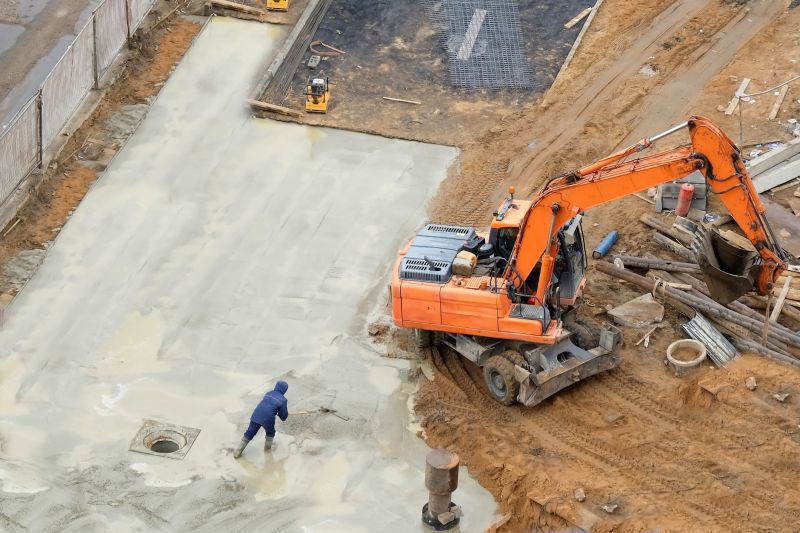
Before comparing contractors, clearly describe your concrete resurfacing project to help find the right local service providers.
- Verify experience and expertise in concrete resurfacing projects to ensure quality workmanship. - Ensure service providers clearly define the scope of work and surface preparation methods in writing.
- Compare multiple local contractors to assess their qualifications, experience, and reputation in concrete resurfacing. - Look for detailed descriptions of materials and techniques used to meet project expectations.
- Check references or reviews to gauge previous clients’ satisfaction with similar concrete resurfacing projects. - Confirm that contractors have a history of handling projects comparable in size and complexity.
- Discuss surface conditions and necessary repairs to determine if the existing concrete is suitable for resurfacing. - Clarify the process for addressing cracks, spalling, or other surface issues before resurfacing begins.
- Request detailed written proposals that outline scope, materials, and expected results to compare contractor offerings. - Ensure all project details are documented to prevent misunderstandings during the work.
- Assess the contractor’s knowledge of surface preparation, application methods, and finishing techniques relevant to concrete resurfacing. - Confirm they can explain their approach and how it aligns with desired outcomes.
Compare local contractors, define project scope clearly, verify experience, and document expectations thoroughly.
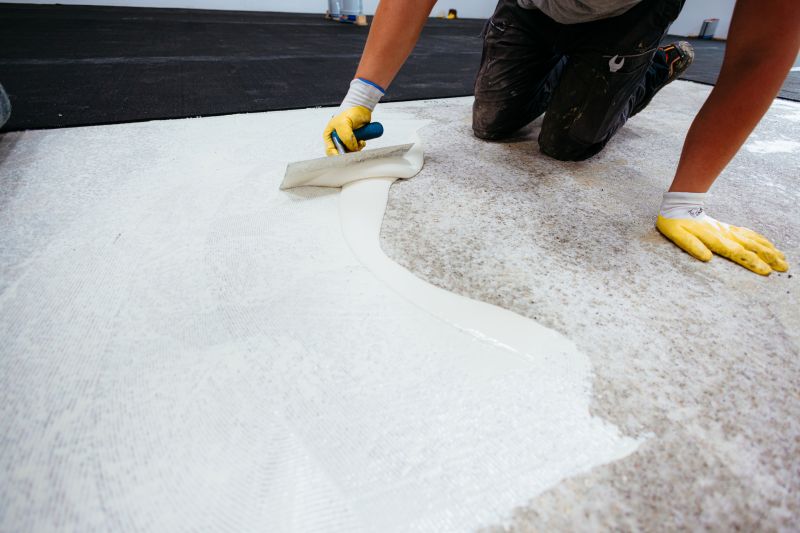
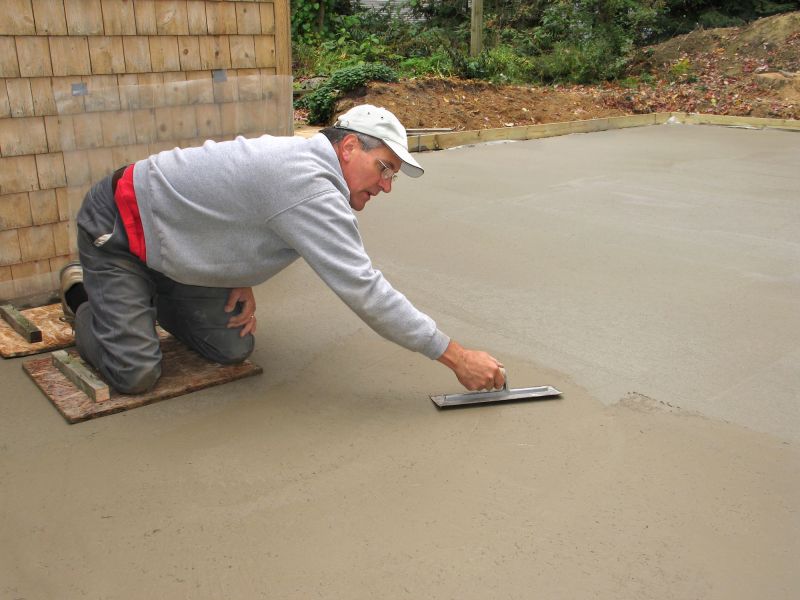
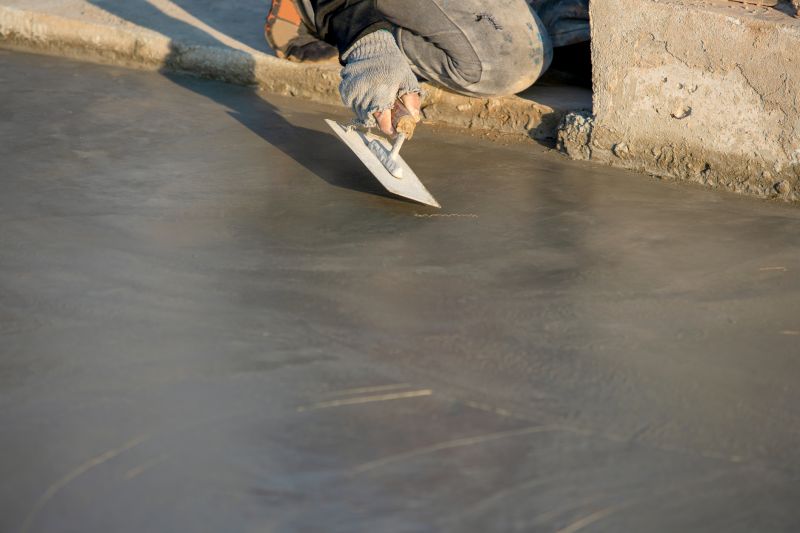
Use consistent comparison criteria across local contractors by clearly defining scope, verifying experience, and setting expectations in writing.
- Project Scope - Clearly define the area and specific surfaces to be resurfaced to guide contractor proposals.
- Surface Condition - Assess and document existing concrete condition, including cracks, stains, or damage that may affect resurfacing.
- Material Preferences - Specify preferred resurfacing materials, finishes, and textures to align expectations with available options.
- Preparation Requirements - Identify necessary surface preparations, such as cleaning, repairs, or leveling, that contractors need to address.
- Work Standards - Outline quality standards and performance criteria to ensure consistency and satisfaction with the finished surface.
When comparing contractors for concrete resurfacing projects, it’s important to assess their experience with similar types of work. Homeowners should inquire about the scope of past projects, ensuring the service providers have a proven track record with resurfacing surfaces comparable to their own. Contractors with relevant experience are more likely to understand the unique challenges and best practices associated with different concrete surfaces, helping to ensure a smooth and successful outcome.
A clear, written scope of work is essential when evaluating potential service providers. Homeowners should seek detailed descriptions of the procedures, materials, and finishes that will be used in the project. A comprehensive scope helps prevent misunderstandings and sets clear expectations for what the contractor will deliver. It also provides a basis for comparing different proposals and ensures that all parties are aligned on the project’s objectives.
Verification basics involve confirming that contractors can substantiate their experience and qualifications. Homeowners should ask for references or examples of completed projects similar in scope and style. Additionally, it’s helpful to verify that the service providers have appropriate insurance coverage and understand local building codes or standards relevant to concrete resurfacing. These steps can help ensure that the chosen contractor is capable of delivering quality work safely and reliably.
Evaluating options without focusing on prices involves carefully reviewing each contractor’s credentials, scope of work, and communication clarity. Homeowners should compare how well each service provider understands their project needs and whether their proposals include detailed descriptions of the work involved. It’s also important to assess the professionalism and responsiveness of each contractor during initial discussions. This approach helps identify the most suitable service providers who can meet project expectations through their experience and clear communication, rather than simply selecting based on cost.
Ask contractors to provide written scope details to ensure expectations and project parameters are clearly defined.
- Experience and Expertise - What specific experience do the contractors have with concrete resurfacing projects similar to the scope needed?
- Scope of Work - How do contractors define and clarify the scope of work to ensure all desired resurfacing details are included?
- Materials and Techniques - What materials and resurfacing techniques do the contractors typically use, and how do they differ?
- Project Expectations - How do contractors communicate project expectations and deliverables in writing to prevent misunderstandings?
- Comparison Criteria - What criteria should be used to compare contractors’ approaches, experience, and scope definitions?
What should I consider when choosing a concrete resurfacing contractor? It's important to review their experience, verify references, and ensure they understand your project scope to find a contractor that meets your needs.
How can I compare different contractors for concrete resurfacing? Comparing contractors involves examining their portfolio of past work, checking customer feedback, and clarifying the services included in their proposals.
Why is it important to define the scope of the project in writing? Having a clear, written scope helps set expectations, prevents misunderstandings, and ensures both parties agree on the work to be performed.
What questions should I ask a contractor about their experience with concrete resurfacing? Inquire about their previous projects, the types of resurfacing techniques they use, and their familiarity with different surface conditions.
How can I verify a contractor's experience in concrete resurfacing? Request references from past clients, review examples of completed work, and ask about the duration of their experience in the industry.
What is the benefit of having a detailed written agreement with a contractor? A comprehensive agreement helps ensure all project details, responsibilities, and expectations are clearly documented, reducing potential disputes.
Understanding the key steps in selecting a contractor for concrete resurfacing can help ensure the project meets expectations. Visitors learned how to define the scope of work clearly, verify the experience of service providers, and set expectations in writing to facilitate a smooth process. Comparing local contractors through a structured approach makes it easier to find the right fit for specific needs.
Using the quote form allows for a straightforward way to connect with local contractors who specialize in concrete resurfacing. It provides an opportunity to gather information, compare options, and make informed decisions based on the details that matter most. Taking this step can help streamline the process of finding experienced service providers in the area.